Travellers often see last-minute holidays in New Zealand as a compromise. However, rigid planning and last-minute booking offer similar advantages. When last-minute bookings in New Zealand include sound judgement, flexibility, and an understanding of local weather, travel inconveniences, and the ability to pivot, these bookings can offer a more rewarding travel experience.
There is an expectation that last-minute holidays will be cheaper. However, peak demand is typically the context for most last-minute holidays, so premium pricing is almost always in effect. Last-minute bookings do offer certain advantages: namely, flexibility. Holidaymakers who can adjust their itinerary plans, travel options, and accommodation to be more adaptable tend to make travel decisions based on the market conditions that are more important to them at the time. Instead of booking holidays last minute, flexibility is an invaluable advantage.
New Zealand rewards travellers who pay attention and can adjust quickly. New Zealand’s travel landscape is more diverse than the typical travel checklist of the country’s iconic destinations. Last minute bookings offer travellers the ability to improve the diversity of their travel experiences by reacting to travel opportunities rather than following a travel plan that was developed a long time ago.
Weather is perhaps the best example of the last minute booking requirement.
-----
### Rewrite 2:
Many consider last-minute holidays in New Zealand to be a compromise travelers take when they fail to plan. However, rigid planning is not always the best approach in a country where one uneventful day can suddenly turn eventful, where planning can actually be redundant and local travel can suddenly turn into a once in a lifetime experience. A well-balanced "just-go" approach can enhance travel experiences.
Peak Demand pricing is one of the main disadvantages of last-minute booking and makes going on a last-minute holiday a lot more expensive. However, last minute booking has a greater advantage: flexibility. Last minute bookings give holiday makers the ability to be adaptable, and to make decisions based on the travel conditions that are of importance to them. This type of flexibility is invaluable.
New Zealand offers travelers an abundance of diversity and flexibility that goes beyond the travel checklist. New Zealand’s last minute booking flexibility allows travelers to experience more of what New Zealand has to offer.
The best example of last minute booking flexibility is New Zealand’s unpredictable weather.
Flexibility is essential for all travel, but is particularly necessary when travels take you to New Zealand. Outdoor activities are a huge part of New Zealand's economy and draw most travelers there, but the country's rugged terrain and changeable weather mean travel plans must always allow flexibility even after careful planning. For example, what looked like a perfect day for hiking and scenic drives on a beautiful beach may leave travelers looking for alternatives if the weather isn't as planned. For most travelers, booking more trips, reservations, and plans is the common backup plan, but it can lead to more stress and expense, and often cancellation fees. The flexible traveler can instead keep travel plans and book respites and short trips that can be flexible to meet local goals and needs.
This does not mean there are no travel plans. The goals remain safety, local advice, and conditions. Instead travel to New Zealand with the goal of protecting flexibility, not rigid planning for the perfect deal. Flexible travel and last minute holidays to New Zealand are some of the best travel plans if travelers are flexible, and adaptable to the unpredictable deals that are less likely to occur.
The worst tip for last minute travel deals is that availability must be chased. Focusing on last minute holidays creates travelers waiting for deals to happen. Unfortunately, that wait can lead to missed deals as travelers overlook alternatives. It's also gambling, not planning. The best flexible last minute holidays to New Zealand are not focused on waiting to travel.
A better measure of value is finding the option that works for the trip you are actually planned to take. There can be more value in a room that fulfills needs in a convenient location, versus a room that is a much better deal and makes you drive for several hours. Having dates that are a little flexible to take a flight can be a better deal than having rigid dates with an easier flight. A cheaper stay can be a good deal if you put the savings towards doing something more important on your trip.
In the case of last minute travel, the quality of the overall experience should be prioritized over whether or not each booking looks like a deal. The traveler who saved a small amount, but then spent the trip exhausted, overstressed, and far from the places they wanted to visit, made a worse choice.
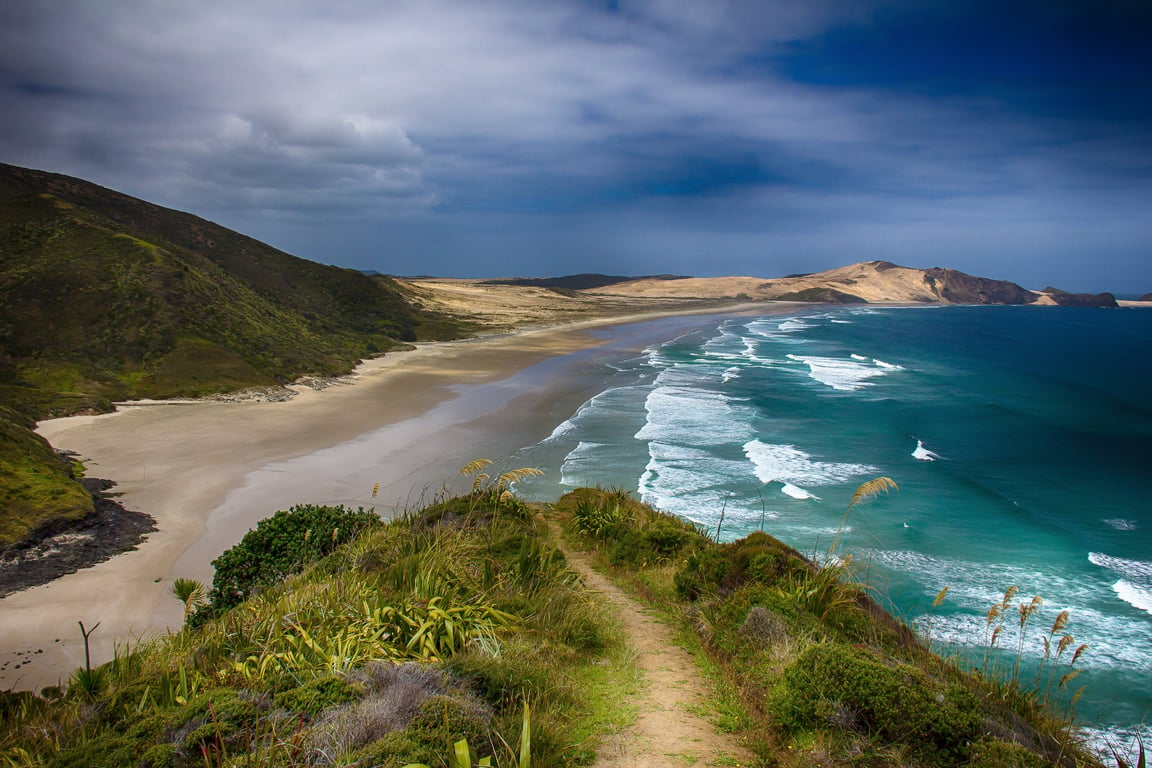
Flexibility has to be specific, not vague.
Saying "be flexible" is pretty much an empty statement, but also easy to misunderstand. Being flexible doesn't mean showing up with no expectations, no boundaries, and no plan. It means knowing what can be flexible and what can't be.
To some travelers the destination in NZ can be flexible, while the dates cannot. For others, the opposite can be true. If there are certain experiences that can't be missed, flexibility in other aspects can more than make up for it. Families might value peace of mind with rigid travel plans, but flexible traveling with couples can mean taking whatever is available. These can be the differences between last minute travels that are liberating vs chaotic.
One non-negotiable of any trip is the date. Determining non-negotiables such as dates and budget ceilings should be the first step in trip planning.
Other non-negotiables may include travel companions and activity needs. Once these non-negotiables are determined, other adjacent choices may open up. Some are more flexible than others.
It is also wise to set a reasonable limit to parameters such as allowing for a specific number of nights in one location before driving to a new one.
In the case of travel, location, should also be prioritized over extras. For example, a centrally located hotel can minimize travel time for all future excursions.
It is wise to retain some budget flexibility, so there is some room for last minute decisions.
If you determine the shape of your trip before the destination, it is easier to determine if you can accommodate last minute bookings
There is an inherent design in planning summer holidays that leads to an awful lot of driving and not enough relaxing. Last minute trips should stick to one location and one style of travel. Most of the time you don't need to fit in more than one location in your trip to make more memories as you travel.
Flexibility is actually the key to having the last minute trip of a lifetime. A more flexible schedule means travelers can slow down to enjoy what seems interesting, return to places they liked, or respond to weather conditions by redirecting.
Most people have accommodation as a stressor to their trips, but being spontaneous shouldn't mean you stress yourself out further by booking accommodation. Booking accommodation to check you can, but eventually having to book it in a way that disrupts your travel isn't ideal.
On a last minute trip, staying in accommodation that requires you to switch by the night will lose you a lot of time you could be using to travel. Of course, travel is the reason for going, so having one accommodation for a few nights is ideal.
Flexibility means changing parking, beds, and having to drive to a new location (with a new check-in time). These none traveling factors should come before a location with a good view.
Travelers should be sure to check more than just a picture before booking. Be flexible so you aren't surprised with a lack of practical information. Book everything and think about parking, check-in, bedding, location, and cancellation.
When traveling at the last minute, these elements can become more important than an upgraded room category. A pretty complicated place doesn't compare to an easy place.
Booking everything in advance will also remove stress, but for people with special needs, young children, or limited time and specific plans to adhere to, booking everything may be worth the price. Book certainty measures when they are truly needed. Room should be left elsewhere.
The transport decisions you make can make or break the holiday.
New Zealand is not a country where you can figure out how a journey will feel just from looking at a map. There are a lot of different factors (like stops, road conditions, and driver fatigue) that really influence how long a journey will take. Last minute bookings make people think about transport a lot. It takes a lot of thinking to plan an itinerary that will avoid an exhausted traveler.
When you good hire a vehicle, ask yourself if a vehicle will support your trip. Driving is a big responsibility, but will also give you access to more and more freedom. Driving is not for people who want to take a planning-free holiday. Driving is not for people trying to rest.
Booking transport is a good way to simplify your trip and lessen the amount of time you spend worrying about getting to your next destination.
The option with the least amount of restrictions is the one that will save the most time and energy.
Before confirming a booking, check the booking as a whole chain. A good last minute deal may lose its appeal if the booking creates an inconvenient arrival time, a difficult transport, or a departure that means losing the last day completely. Last minute travelers should check whole bookings, not just a price.
One of the pros of taking a last minute holiday is the flexibility to take advantage of local opportunities. Taking a holiday means limiting the scope of where you can go before you go. However, perfect last minute deals are found in cafés, shops, visitor centers and hostels. They can also be found in owners or staff. A last minute holiday means being flexible, but it does not mean a complete lack of planning. Local opportunities are clearly better with local planning.
Local opportunities are better with planning, because they can present challenges due to limited staffing,advance notice, and weather. While it is obvious that flexibility is key, travelers must take into account safety, access, and the local environment. Flexibility should allow travelers to engage with their environment and their surroundings instead of limiting it to a quick selfie.
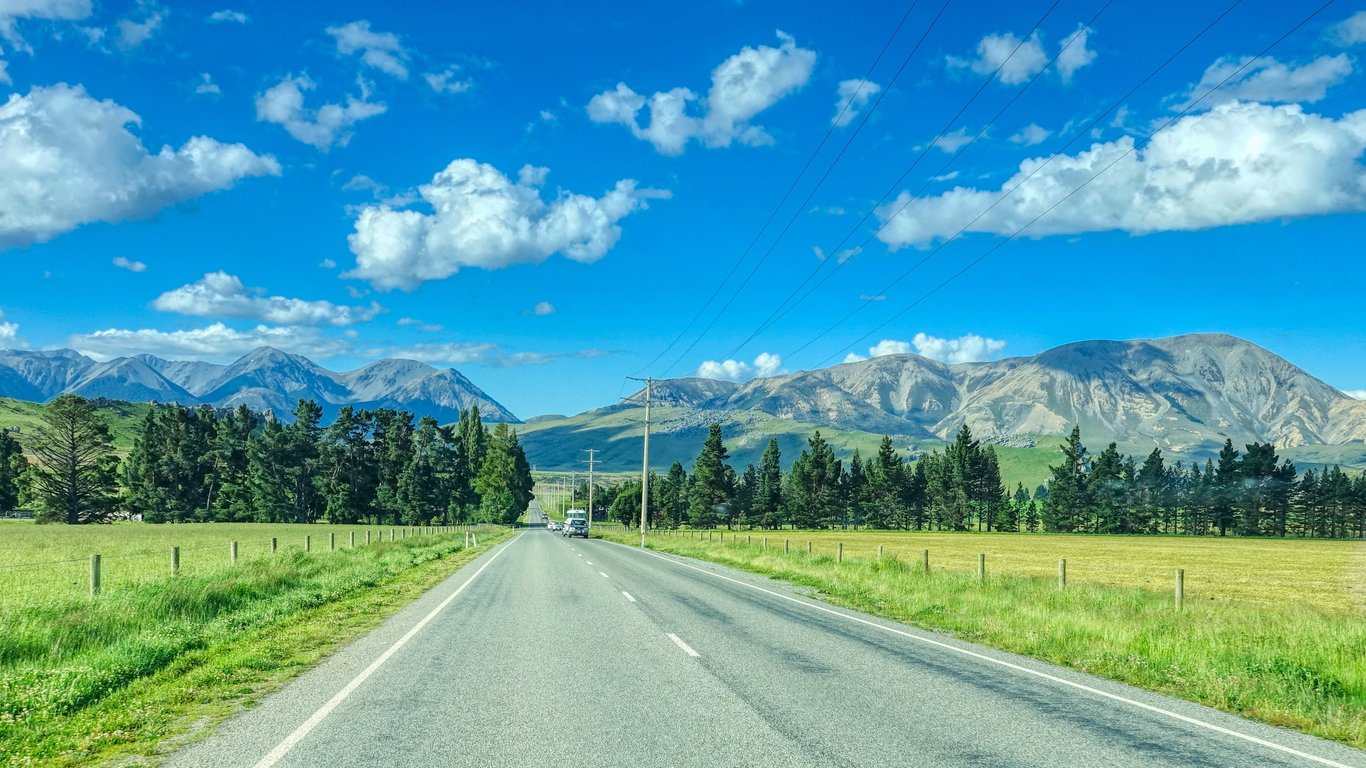
A practical framework for booking late
Last minute trips do not need last minute research; they need last minute decisions.
- Decide on your travel dates Consider your ideal travel time, and plan to arrive/depart early
- Set the trip’s course. Is the goal relaxation, sightseeing, activity, food, etc.?
- Come up with options Don’t let yourself depend on just one location.
- Check transport and accommodation together Room is only good if transport to get to room is not a nightmare.
- Check your plans and the conditions Look at the weather, Look at travel information, Look at the activities.
- Book the most important aspects first Secure the hard to replace bookings and leave the not so important bookings to last.
- Build in free days In case something unexpected happens that you would enjoy.
The goal is to provide a practical guide in order to make the most of the “freedom” that a more unstructured approach would provide. This is not carefree free for all. This is avoidance of problems, and where possible allowing flexibility.
When last minute holidays are the worst choice
It should be said, spontaneous travel isn’t always the best travel. If go’ng on a specific event, an experience that has limited availability and bookings are very specific, it should be planned well in advance to avoid disappointment.
The same holds true for individuals who need to verify the availability of accessible options for people with disabilities, medical issues, or familial obligations.
Last minute vacations are also problematic for those who will get anxious without advanced travel arrangements. There is no honor in being adventurous because it is uncertain. A good holiday it is about matching your temperament. Flexibility is powerful if you enjoy it.
This applies to last minute travel, but not to the assumption that early planning is generally the best approach. Early planning can actually lead to less flexibility since a travel itinerary that is planned early can be ill-balanced, over ambitious, or poorly matched by the conditions that will eventually exist. Unecessary advanced planning should be avoided.
Make spontaneity serve the journey
Last minute vacations to New Zealand are not frantic last minute arrangements, plans designed for scrimping, or planned for an open schedule. They are the result of intentional last minute planning. They recognize the truth that a holiday can be improved by staying longer where the spirit of the place is right, changing plans when conditions dictate, and addressing needs and preferences with available opportunities instead of those that may have looked ideal in the distant past.
The best practice for last minute vacations is to treat them like regular vacations. They should be flexible around your preferred priorities while taking into account your needs and concerns realistic pace. If you take the steps to protect your priorities, you will be well served by the unexpected.
At this travel spot with so much variety, that room may be the spot that makes the memory of your trip worth it.