The first bookings that should be made are flexible bookings that set the tone for the remaining bookings. These are usually international or domestic flight bookings. From these bookings, the other bookings that need to be made next are the "non-negotiable" experiences and stays. This may be a multi-day or longer journey that spans routes and, in some cases, international boundaries. Non-negotiable bookings may also include accommodation with available stays, booked tours of limited availability, or travel to remote, hard to get to areas. These are the anchor bookings that give structure to the rest of the itinerary.
A good model for booking these is: book arrival and departure days, followed by booking the non-negotiable experiences and stays, then booking the transport, followed by booking accommodation that is close to the non-negotiable anchors and the beginning and end of the trip, leaving nights and day time availability of bookable activities as more flexible. This model avoids a common mistake in planning, which is booking a string of nice hotels before testing if the route that connects them is even logistically possible.
A nice hotel room is a bad booking if it means that a long day of travel becomes an exhausting trip. A cheap flight can quickly become a bad deal if it means an expensive additional day of travel, an inconvenientvehicle rental, a missed connection, etc.
Every single booking should answer the question: what does this booking enable, and how does this booking impact restrictions? If the booking allows a high priority experience with a restriction that is as low as possible, then the booking should be made.
When it comes to accommodation, don't worry about how pretty a photo is. Design, and views etc. are nice and in their own ways important, but practicality usually matters most: access, check-in, cooking, laundry, parking, and how it fits into the rest of your day and the things you need to do next. The best booking is not the most attractive, it is the one which when you book it makes the rest of your planning easier.
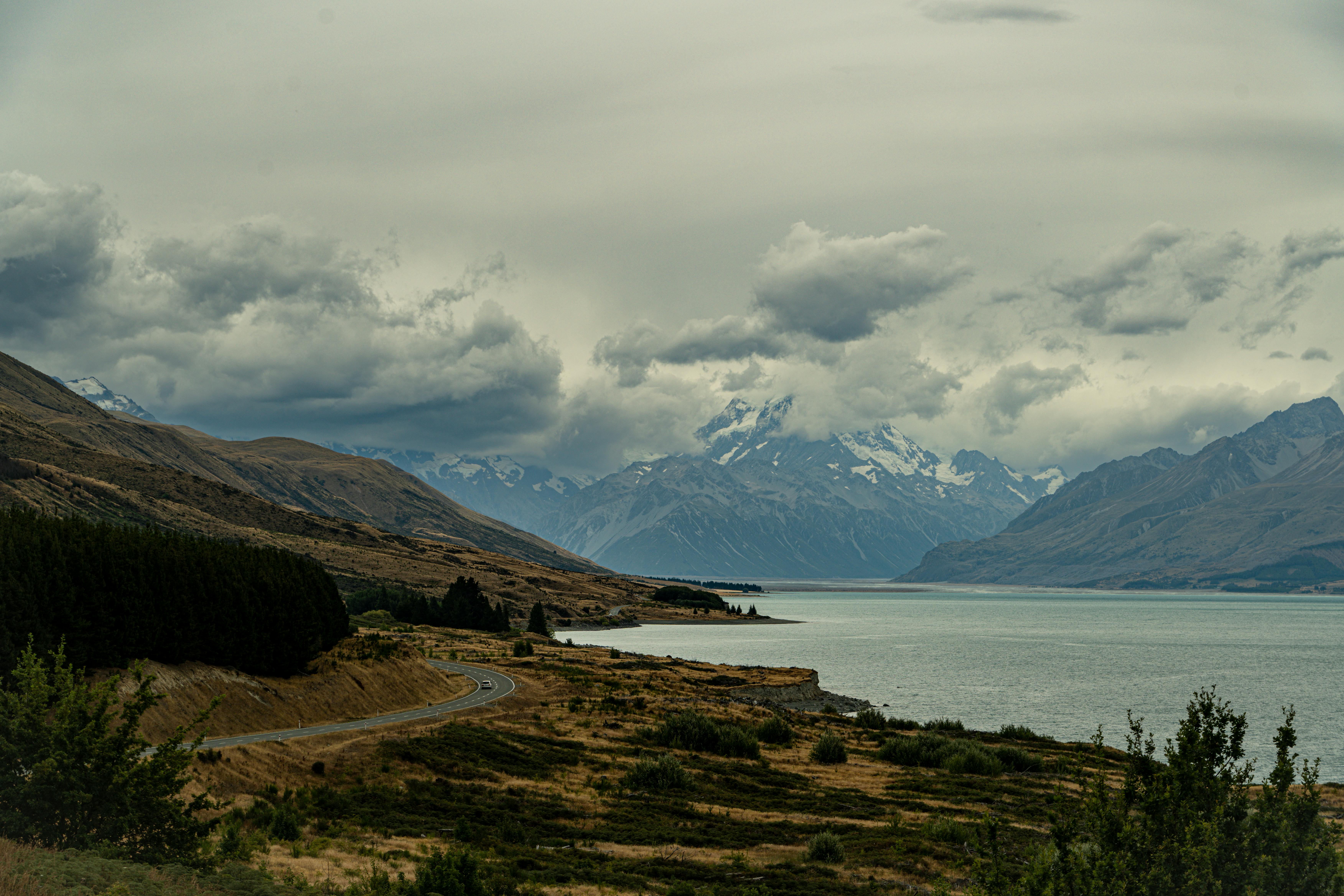
The picturesque views of New Zealand will have your dreaming of long easy going road trips, but booking all your transportation to the locations should be because of any realistic long term goal length travel. There can be a lot of stops and it can take a lot longer than you thought for a lot of reasons. You can spend a very long time enjoying your travels too much to rush through them. Frictionless transfers are not a part of the best travel itineraries.
Think about the real way you will be traveling and make decisions based on that. The road trip is not a spotless castle. Opt for size vehicles for a group traveling with a large amount of luggage, think twice about for two people traveling with only carry on. An EV will likely fit an optimally planned route. A car will work for your passengers and cargo. The best vehicle is the vehicle that eases constraints, not adds constraints. Before getting over excited about a seemingly cheap deal, read the fine print! Which fees, if any, are included? What’s the fare going to cost? What restrictions are there on the rental? Are there alternate pick-up and drop off locations? How flexible are the rental terms? The same things hold for coaches, trains, motorhomes, and flights. A lot of people may think they are getting a good deal... until they pay extra and put up with terrible travel times, inconveniently located stops, and onerous terms. Cheap bookings that are made without consideration of the conditions are not smart bookings. Because they connect the big parts of an itinerary, bookings of flights and ferries deserve special consideration. Never be so tight with your itinerary that you leave no buffer time in case you have a break due to a delay. Your booking plan should be flexible enough to allow for margin surrounding all your important connections. This likely means booking extra days to stay in a city rather than, for example, booking a same-day transfer with a couple of very tight connections. It is more efficient in the travel world to book shorter connections with flex day margin than to book tight connections. This has lower chance of a domino effect and ruining many days of your vacation. Activity bookings have to be prioritized over popular bookings. Some activities are the backbone of some trips and have limited capacity and fixed schedules. These should be booked when the route is finalized. Waiting in order to keep spontaneity tends to result in missing out on the very thing that inspired the trip. Popularity is not a sole reason to book. People reserve activities that are promoted and popular then base the rest of their day on that one thing that they didn’t even want to do. A New Zealand trip that includes structured and scheduled days, one after the other, is not necessary to have a memorable trip. Leaving days free to wander, explore, take walks, and experience the local food and the views is time well spent and highly valuable. Many people find that these unplanned days are the most meaningful. Activities that will bring the most disappointments if missed should be reserved first. A short list of alternatives that are less popular, but still valuable, should be reserved next. Finally, days that may need flexible with activity choices should be reserved to best fit the weather and travel mood. This is especially valuable in the case of outdoor activities. Outdoor activities may be most meaningful to do on a good weather day, while cold and rainy days may be most suitable for indoor city activities. The booking strategy should ensure that the weather is integrated into the travel plans. Plan booking to answer the practical questions. How far is the activity from the last night’s stay?
What time does the activity start? Is transport included, do the activities leave enough time for booking the next thing? These questions trump a generic list of recommendations. The most impressive activity in isolation can be a poor choice if it disrupts surrounding travel logistics.
A booking for a hotel may seem unimportant at first, but if booking confirmations get lost, scattered, and buried in screenshots, it can quickly become an archival nightmare when you have no internet connection to check for the confirmation number. Twelve minutes before you are supposed to meet your guacamole transportation provider, one confirmation number is a matter of convenience and money saved, not glamour and consolidation.
Keep a single bookings document or a folder with the necessary addresses and contacts which you can download to your computer or print. Add transfer references, booking times, payment and cancellation statuses along with all the important information that affects your day from pickup instructions to luggage restrictions, check-in windows, and reconfirmation requirements.
Take a look at the entire itinerary after every big booking. Check your name spelling, dates, times, places, and direction of travel. Look for new backtracking, long travel days, or wasted nights that don't make sense for your route. A quick check of the itinerary can save you from making a huge expensive error.
The financially responsible choice isn't always the cheap, non-refundable ticket. Sometimes it is. If dates, locations, and deals are fixed, then it may make sense to opt for the restrictive rates. However, travellers should stop thinking the lowest price is the most optimal, as the best option is typically the deal whose terms align with your itinerary.
For a complicated itinerary, better terms, including reasonable flexibility in changing the booking, justify a slightly higher cost. It may cover the costs associated with changing a flight due to weather, illness, travel disruptions or extending your stay at a planned destination. This would not cover the costs associated with booking an upgrade or cancelling a booking altogether. Many options during the booking process are Jennings. Happy travellers look towards paying for the certainty of flexibility versus the cost of changeability. There is a distinction between flexibility and lack of decision. Travelers who keep accommodations open in case there are good options nearby make good decisions. Travelers who fail to plan make last minute decisions that are more expensive and less enjoyable. This creates choice while the other system delays decisions.