If you have some flexibility in your travel plans, last minute cruises are the most practical way to explore New Zealand's coastline. Travelers often think that been booking late will provide poor service, inconvenience, and an average holiday. That's a naive outlook. Empty cabins on a cruise that is about to depart is the cruise line’s burden; additionally, flexible travelers can get put together a great coastal New Zealand journey at a better than expected price. Many cruises offer transport between various destinations and even multiple meals with accommodations and beautiful sea views.
Be aware that last minute cruise trips require some flexibility from travelers. They are not necessarily cheap, and, flexible travelers should not be misled into thinking that last minute trips will automatically be lower than booked cruises. Last minute cruises also work great for travelers who don't require a certain cabin and don't have plans to book around a specific date. However, if you want custom land based itinerary in New Zealand, last minute trips are probably not your best option.
Why last minute cruises work best in New Zealand
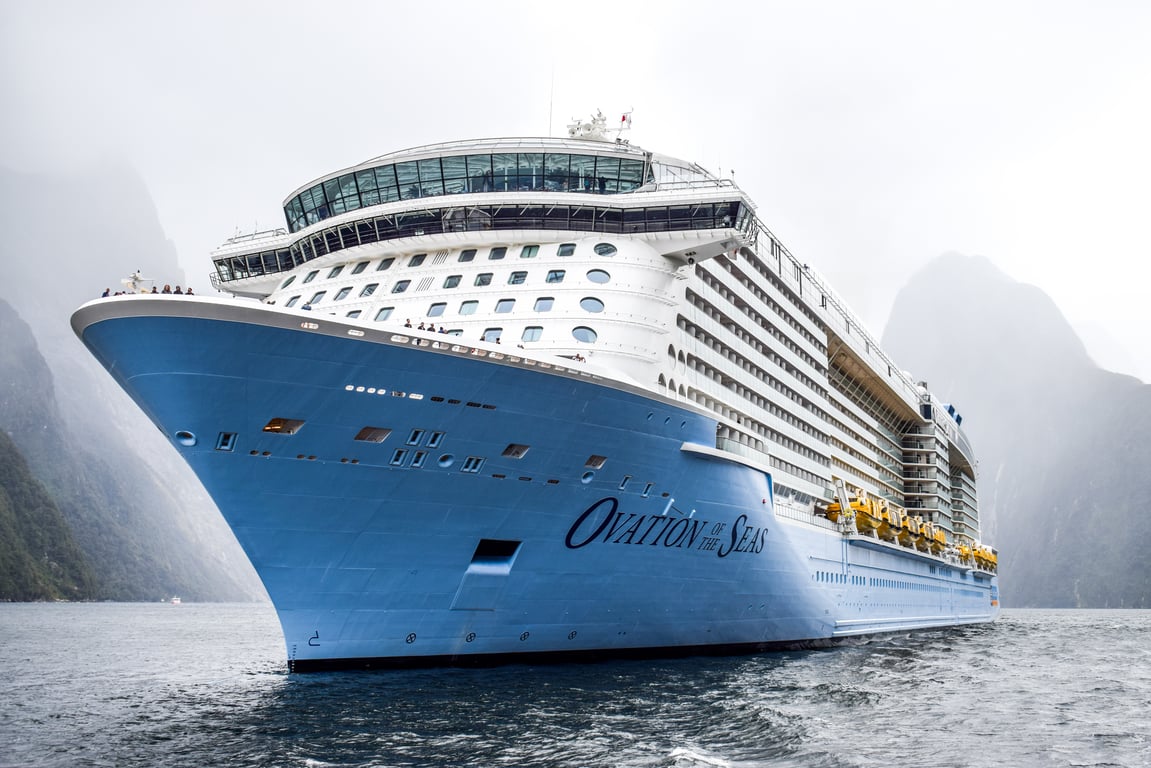
In New Zealand, the coastal journey can be as important or more so, than the stops. New Zealand has many coastal views that offer something unique, like beautiful views of islands, bays, harbors, and remote shorelines with plenty of scenic beauty. Last minute cruises allow you to enjoy many of the coastal views that would otherwise be just the space to get to your destination.

Cruising has an advantage that land travel does not: the ability to cover large amounts of coastline with little effort. There's no need to navigate, repack each day, or book a series of overnight stays. A last minute cruise can be much more than a cheap holiday product. Planning a cruise can be a very easy way to take a longer trip that can be difficult to coordinate.
There are obvious advantages to traveling along the coastline independently. However, there are also drawbacks. You need to compare many different travel options, plan many overnight stays, and consider driving times. A cruise simplifies all of that. Your cabin moves while you sleep and you never need to lug your luggage. The main question of the day is how you will spend your time on land and how much time you will spend enjoying the ship.
It is generally good advice to "book as early as possible." This is especially good advice if you know when you need to go. However, it is not always good advice. If you have flexible travel plans, waiting can give you the best deal. Cruise lines are willing to fill a cabin at almost any last minute price rather than sail with a vacant cabin.
This doesn't mean every last minute deal is the best, however.
In this case, the traveler needs to look at the total cost despite the percent discount. An offer on a cruise fare may be a poor deal if the other costs of transport, hidden charges, and a travel itinerary that does not meet your interests are factored in. The best last-minute cruise choices are usually made after some analysis, as opposed to an impulsive buy.
The main trade-off: low price vs flexibility vs choice and peace of mind
Last-minute cruises are usually about giving up some level of flexibility and choice in order to get a better price. Losing that choice means a shorter cruise, a less desirable cabin, or even dining options that are less to your preference. For some, this is a good deal. For others, it is a poor deal.
Those who benefit the most tend to have a few things in common. They have a quick packing ability, travel at their leisure, and do not mind taking the last of what may be available. These people may be couples who do not have to pick around school holidays, people that have the ability to work remotely, retirees, solo travelers, or friends that do not mind making a last-minute group travel decision. They also recognize that an inside cabin is a better deal than a balcony. On a cruise in New Zealand, a balcony cabin will give you access to the view, but it is not the only way to take in the scenery. Viewing decks on the cruise, lounges, and open areas may give you the access to the view without paying to have a balcony.
The people who ought to be cautious are equally clear.
For families needing specific bedding set ups, travelers with accessibility needs, groups needing adjoining cabins, and for travelers whose vacations must fit around work or other events, do not utilize last minute availability. This goes for deep discount travelers who would be disappointed if their desired destination, type of cabin, or onboard feature was unavailable. There’s nothing prudent about stressing on a deal before the ship even departs.
It can be tempting to choose the last minute, cheapest cabin, but don’t assume this is the best option. A small upgrade can be worth it, especially if it solves a practical problem like cabin/bed configuration, accessibility or if you’re embarking on a long cruise. The right question is not “What is the lowest price?” It is “What is the least amount I can spend so I can still have an enjoyable vacation?” This is how you avoid false economies.
The best way to find a true last minute cruising deal is to create a game plan. Casually browsing for a deal will not pay off! Figure out how flexible your travel really is. Create limits for your departure date range, length of travel, departure region, total spending limit, and minimum cabin standard. These limits give you the flexibility you need to secure a deal.
Cruise lines, directly or indirectly, should be your first stop. However, when comparing fares, make sure you are comparing apples to apples. You may obsess over the first advertised price, but that may not cover the total cost of your trip!
Before Treating any Last Minute Cruise as a Deal Confirm the Following:
* What the quoted fare includes, especially accommodation and standard dining.
* Whether port-related charges, taxes, gratuities, service charges and booking fees are included.
* What transport to/from embarkation and disembarkation will cost.
* Whether travel insurance is available and appropriate for a short-notice departure.
* What the cancellation, amendment and refund conditions are.
* Whether the quoted cabin is assigned immediately or later by the cruise line.
* What onboard services and amenities (specialty meals, drinks, etc.), Internet and shore excursions will cost.
This is not tedious fine print, this is where the value of a Last Minute cruise is defined. A low initial fare can still give good value if other costs are known and manageable. Conversely, an offer that appears to be a good deal in an advertisement can become an unremarkable offer once all the compulsory charges and connections are added.
Set alerts if you can, but don't let alert fatigue turn into planning fatigue. A simple shortlist of dates and dollar ranges you're willing to set as a limit is better than checking dozens of sites daily. When a deal pops up, compare that with the cost of an equivalent independent trip. Consider accommodation, food, local transportation, baggage, and the cost of moving around. A cruise won't always be the better deal, but this comparison usually explains why a last minute sailing is appealing: its fare will be a better deal than the cost of a hotel alone.
Do not Wait for an Imaginary Perfect deal.
The biggest mistake in Last Minute cruise shopping is excessive patience.
Some people think that, as the trip gets closer, prices will keep falling. That may be true, but there is no law that states it will. Should the last available cabins sell, price increases may happen due to changing demand, and convenient transportation to the ship may become more expensive or unavailable. Waiting is a gamble, not a plan.
It's better to have a personal limit. If a cruise fits your date requirements, your total budget, cabin requirements, and desired destination, you should book it. Do not wait for what could be an even better deal. The point of booking a last minute cruise is to take a good vacation at a good price, not to try to book the absolute lowest price hands down. Because leaving last minute requires trips to book either land or air transportation, you should plan that in your budget as well.
Safety embarking should come first. If you have a flight, transportation, or hotel booked before the cruise, think about that in your budget. It would save you a lot of stress to book a vacation that you can take an arrival trip to, instead of a tight, same-day connection.
Last minute traveling: where you should compromise and where you should not
Cabin selection is where people's expectations usually get out of line. Popular cabin types get bought first, leaving inside cabins, obstructed view cabins, or cabins in less desirable areas. That is not always a negative situation.
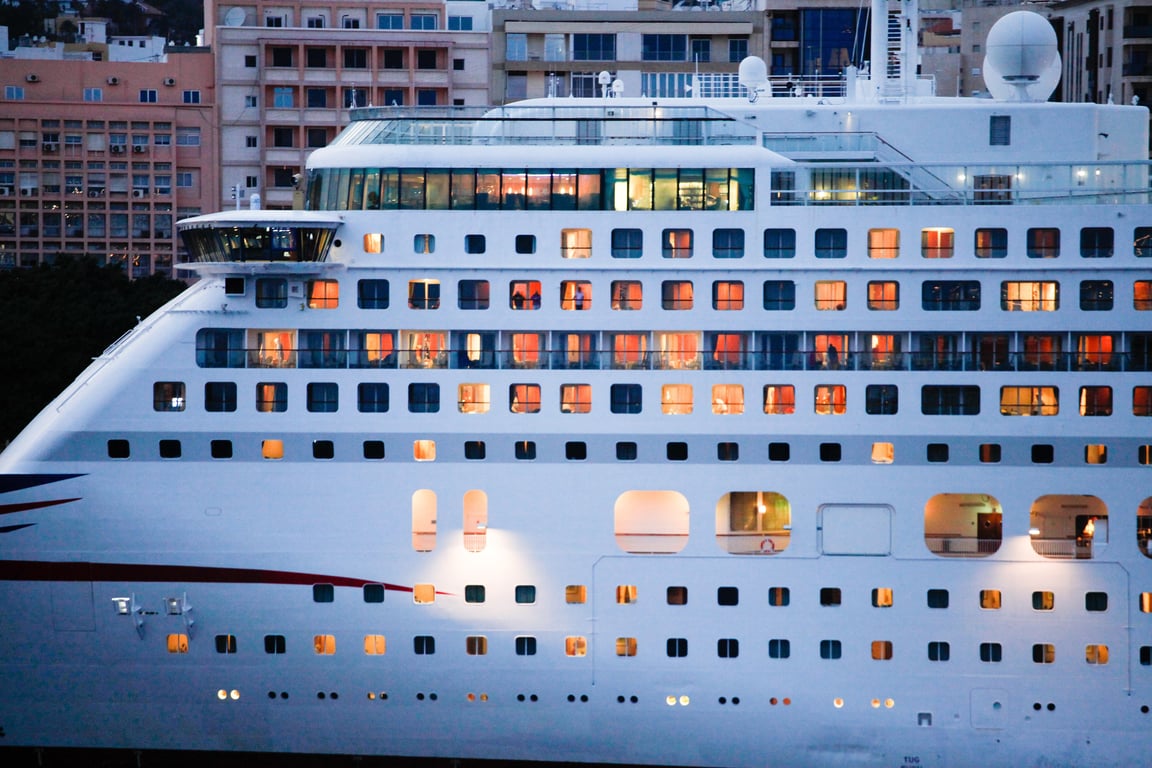
Customers who will mainly use the cabin to sleep will see the most value in budget-priced categories, especially if they plan to spend most daylight hours on deck, in the public lounges, or exploring off the ship.
Compromises must be made on a case by case basis. Ensure the cabin has the correct beds and the accessibility amenities necessary. Address any location concerns you may have. More motion sensitive travelers may want to pay attention to location to where they sleep, and more light sleeping travelers should avoid cabins that are close to boisterous public spaces. Cruise lines deck plans and cabin descriptions are helpful, however one must have a good sense of their actual needs versus their wants.
A guaranteed cabin rate is cheaper and more appealing to a customer; however, it is a bet against the cruise line selecting the cabin category they booked versus selecting a cabin one step up from the category they booked. Travelers who have no preference to where they sleep may find this arrangement favorable, however, for travelers with preferred locations, this may be an unfair bet to take. Accepting this arrangement is a good case of expectation management.
Time cruising can be less time wasted on long stretches. One reason last minute coastal cruises are so popular is that sea days don't have to be days wasted.
Cruise ship design optimizes time on board. Passengers can eat, rest, watch the coast, read books, attend activities, exercise, or just pass time and relax.
That convenience is very much appreciated, especially by passengers who do not want their vacations dominated by traveling logistics. It also helps by using the vacations time optimally and making shorter breaks feel longer. Instead of losing time by dealing with luggage check-out and transport, rental cars and multiple accommodation changes, cruise ships fill the time and provide a continuous path from destination to destination. Of course there is not perfect time that will suit every traveler, but conveniences of cruising outweigh some of the travel routine crowds, structured time of meals, and peak time activities on some ships.
For flexible travelers, conveniences of cruising outweigh the travel routine, crowdb bureaucracy of independent travel. The removal of responsibility for the travel logistics frees up time to enjoy the scenic route and the water, especially when cruising New Zealand’s coastline that is more about the overall journey rather than taking in a bunch of single site attractions.
Shore time: plan enough, but not too much

A common reaction to an inexpensive cruise fare is to overspend on additional offerings, especially shore excursions. Some organized excursions can be worth the cost, especially when independent transport is challenging, timing is critical, or the activity is central to your trip.
Cheap cruises can vanish savings if you book every available option.
Inform yourself about each port to gauge the opportunity cost of each stop. Some travelers will enjoy a leisurely independent walk and a café stop. Others may be happy with a guided tour or perhaps local transport, if available, to explore the area more independently. Furthermore, try not to think of an excursion list as an itinerary. The best cruise lines provide access and structure, but passengers should not feel pressured to make unnecessary excursions to improve their day.
However, ship timing is also important. Return-to-ship deadlines are important. Itineraries should be flexible with an ample safety margin, and should not rely on a perfect series of connections. This is another area where travelers should disregard weak advice: “just wing it” is not flexibility. Real flexibility is having a backup plan.
What to pack and prepare for a short-notice sailing
Last minute cruises are great, as long as you are prepared. Keep all relevant travel documents handy, and current. Carefully review the cruise line's instructions, including identity, health, luggage, and boarding documentation that may pertain to your travel. Requirements are sometimes different and will affect what cruise line you book with, so best to check the documents provided for your specific sailing.
Coastal weather is prone to unpredictable changes.
Recommended items for your trip include: comfortable walking shoes, rain-resistant outer layer, warm layers, sun protection, and swimwear if you so desire. Also, consider bringing an affordable day pack. It is wise to bring your medication in your carry-on in case checked luggage isn’t available right away. If you have motion sickness issues, prepare yourself accordingly and be sure to research remedies. If you wish to seek guidance from a professional, that is also an option.
Before embarking, be sure to set a realistic budget to help you avoid overspending. A lower cruise fare does not mean all activities will be cheap. Consider the costs of all purchases before embarking. Your fantasy of a low-cost cruise should not destroy your wallet onboard.
Last Minute Booking Benefits
Last minute cruises are not the second-best booking option. In fact, these bookings may be the best way to travel New Zealand's coastline as they offer the best deals when booked at the last minute. These savings can really help simplify travel, and save you money in the process.

These bookings are not always the cheapest. In fact, they hardly ever are. Last minute travel bookings become valuable because you have flexible ideas when it comes to your travel plans. Many travelers believe the cruise offers value, but it is your own planning that brings real value to the last minute cruise deal.
A traveler that is prepared to sacrifice total price, selects limited cabin availability, reviews terms, and is ready to leave at a moment’s notice, has the ability to get a “more complete” holiday for a “lower fare”.
The least flexible traveler should avoid last minute deals. If you absolutely cannot bend on dates, cabin, and travel companions, then booking early is the way to go. However, if you are flexible and can quickly adapt to booking last minute, after a reasonable amount of pragmatic consideration, late availability should be seen as opportunity as opposed to a risk. The ultimate deal isn’t a heavily discounted fare; the best deal is the sailing where you spend the least amount of time organizing your travel, and spend the most amount of time enjoying New Zealand's picturesque coast from the sea.