Deals on New Zealand cruises don’t come as simple as the first offer that catches your eye. While that deal may seem too good to pass up, it’s important to remember the adage that things that are “too good to be true” probably are. Low lead-in fares can mask a poor itinerary, add ons that cost extra, unsavory sailing dates, and most importantly, not having a ship with much to offer when moments at sea are so frequent when traveling to and around New Zealand. The best deal is the one that saves you the most money while still delivering the most of what New Zealand has to offer.
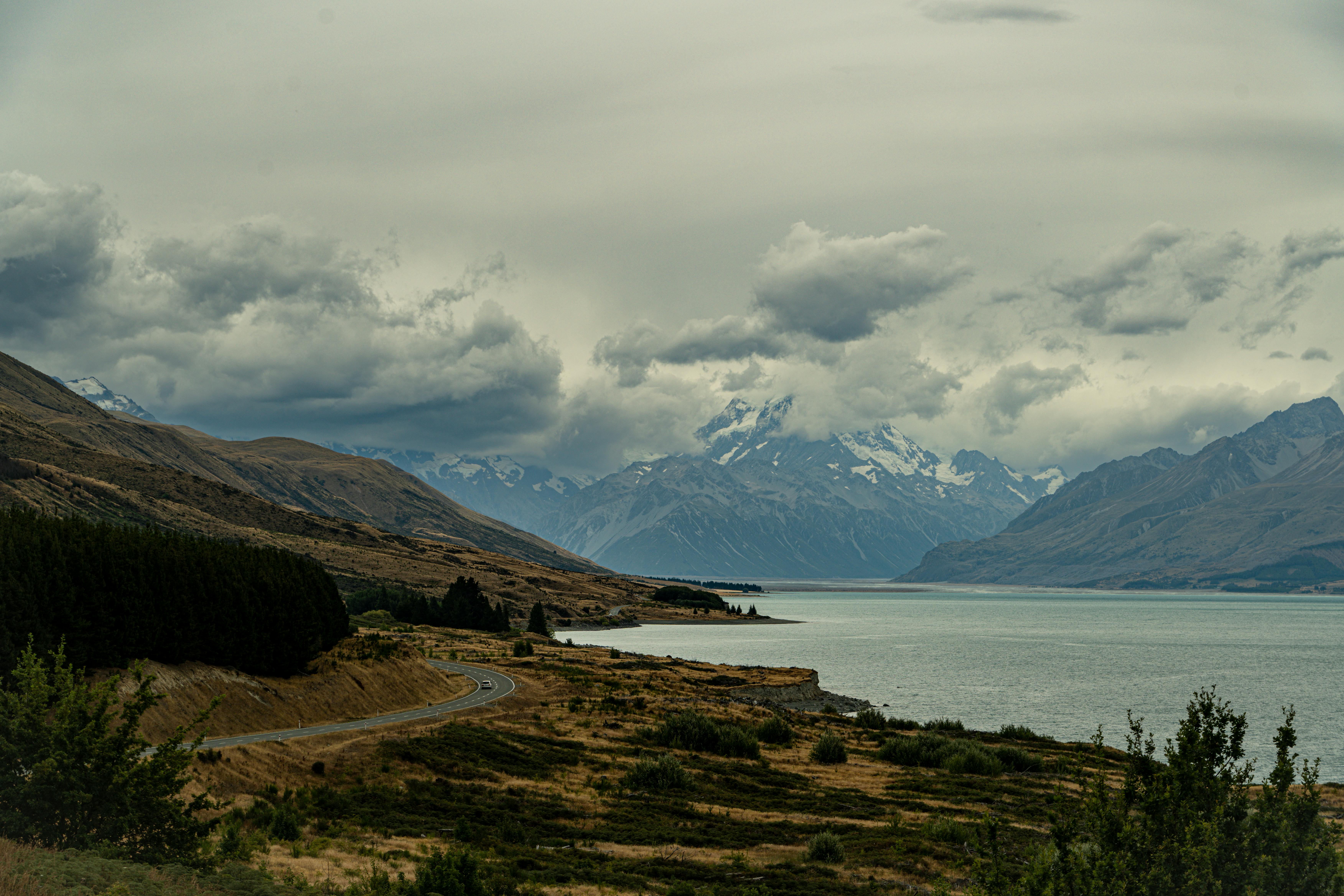
New Zealand has so much to offer and its appeal is not limited to cruising. Going with the cheapest offer and getting less than what you want is not a deal, but a discounted version of what you actually want. New Zealand’s coastal scenery is dramatic and has lots of wildlife. It also offers lots of walking tours. Not to mention the culture and the cities all have their own character.
Ultimately, the best deals for New Zealand cruises are not fare-led, but value-led. People who actually get a good deal will compare dates, itineraries, cabins, costs of other travel, and what’s included and packaged. Price should never be the first filter.
ITINERARY FIRST THEN PRICE
Though a cruise line may market a sail to New Zealand as a line in a longer, transoceanic itinerary, those other elements should not be used to promote a comprehensive New Zealand itinerary. They can be relaxing, and a more comprehensive region may appeal to travelers to visit many places. That should not be confused with a substantial New Zealand itinerary.
Before comparing fares, be sure to check the day-by-day itinerary. Check how many days will be spent in New Zealand, how many hours the ship will be in a port, and if the itinerary includes scenic sailing. Unlike a port call, scenic sailing can be awesome, especially if the region is characterized by beautiful scenery. However, it is not a substitute for onshore time. No one should pay more for a deck view of scenery to access the time on deck to visit a port or join an extended excursion to see the region or to enjoy the city on shore.
The number of ports can be deceiving. A schedule with many calls is longer, but short calls means onshore excursion time is very limited. Early arrivals and late departures mean more flexible time onshore. A stop in the middle of the day means you only have a short amount of time to visit the destination, return to the ship, and have something to eat. The most important question is: is it worth visiting the numerous ports on the itinerary if you have to rush? If the answer is no, then the Cruise line should not charge more between ports.
This is where typical money saving tactics backfire.
People often do a side-by-side comparison of cruises based on total number of nights and total fare. It is more advantageous to analyze the cost per day considering New Zealand ports. This approach is not completely accurate, but it encourages a better focus on the buying experience. Getting a better deal on port hours, a better itinerary, or sailing that aligns with your interests is smarter than saving money on a cruise that only provides a quick look at the country.

Learn How to Identify Best Value Cruises
New Zealand cruise deals rely heavily on timing, since it affects both price and experience. Though less expensive sailings may be available during off-peak travel times, significant savings shouldn’t be celebrated. The weather may be less predictable, there may be less daylight hours, and the activities available on shore excursions may be less appealing. There may also be fewer choices or activities to participate in. A deal only provides value if the timing is in line with the trade-offs one is willing to make.
This doesn’t mean that you should only take cruise deals that align with peak travel times. Since there is less price flexibility during peak travel times, and a deal gets more expensive, that doesn’t automatically make it a bad deal. The smart approach is to take a less popular deal if you will be satisfied with the likely travel conditions.
If you prefer more time outside and longer breaks on land, paying for a date with that in mind may be worth it.
Flexibility is arguably the best way to find cruise deals. If you’re willing to adjust your departure, cabin category, or cruise length, you’re more likely to find a good deal. Sometimes you can find a major price difference by being slightly more flexible. However, flexibility should not mean accepting a deal with a bad itinerary. A deal should only be considered after a sailing passes the itinerary test.
The cruise price you see is only one part of a total travel cost. This is especially true for New Zealand, since the total cost can get a lot higher due to international flights, stays before or after the cruise, transfers, excursions, tips, drinks, fancy meals, internet, and other things you buy on the ship. The lowest priced cabin can be the most expensive if it leaves you with nothing to buy the things you really want from the cruise.
Before looking at deals, you have to determine what is included and what is not. Is accommodation included, so are the main meals and entertainment, and are all ports included? What about any credit or packages? What about extras? Just because something is listed as a ‘bonus’ does not mean it is a good deal. Is the value of the onboard credit actually worth the money you would spend on that cruise? Is the drinks package actually worth the cost?
A discount on excursions is less significant if excursion prices remain high, or if you prefer engaging in independent activities.
Interior cabins are also worth looking into. Travelers who wish to spend most of their time off the ship may want to consider an interior cabin. It can even help travelers with a tighter budget to get a better itinerary. However, that doesn't necessarily mean it is the cheapest option. When there is a lot of scenic cruising, or multiple days at sea, an interior cabin may not suffice. There are lots of ways to get more enjoyment out of a cruise. In fact, the saving from the cheaper option may not be worth it in the grand scheme.
Whenever looking at a cruise deal, you have to look at the prices for the airfare, and whether there are multipleconnections or overnight stays. An additional hotel stay may actually increase the value of a deal, even if the airfare and cruise are more expensive. However, deals that seem more expensive may actually be the better deal because they may have cheaper or more convenient flights, lower overall cost lodging, or other value added benefits. Looking only at the cruise deals is usually a recipe for failure.
While cruise promotions may seem like they are the most important part, they are definitely not. Travelers need to look at the big picture of the cruise deals.
Cruise promotions generally create a sense of urgency with their limited time offers. Some of the most common offers include cabin upgrades, bundles, on board credit, reduced deposits, and loyalty bonuses. Travelers have to realize that not every promotion is a rare offer.
The cruise industry is known for flexible pricing, and the verbiage of a sale provides little to no insight on if the price of the fare is competitive.
To analyze a promotion, ask yourself three main questions. First, if you were to purchase the added bonus (assuming it were not a part of the promotion), would you really consider it a good deal at the stated value? Second, is the base fare priced competitively as compared to similar trips? Third, does the promotion apply to your cabin and sailing of choice, as opposed to a restricted Lead-In offer? If the answer to any of these questions is no, then chances are it's less of a deal and more of a promotional marketing ploy.
“Free” upgrades should be analyzed with caution, as there is a chance of value when they upgrade you to a cabin category that is valuable to you. However, they should not be the determining factor to book a cruise if the value or itinerary of that cruise is less than desirable.
The best strategy is to compare bookings, as different promotions often overlap to similar prices. Consider each booking and cabin level, and then factor in the terms and value. This may help you determine which cruise lines are actually offering the best value vs traveling flexibility.
Shore Excursions and Value Cruises
New Zealand cruises should be evaluated based on what excursions are actually included.
Some cruises go to beautiful places, but it’s the cruise line’s schedule, how far and how often you’re willing to go, the local transportation options you have, and your preference for planning that determines how much you can do on your own and ultimately if you enjoy the trip. Most people underestimate excursions, and that’s a big mistake since they might account for half of your travel budget.
The convenience of the cruise line offering excursions assures the ship knows your itinerary. With excursions booked, you won’t have to worry about getting to each destination on your own. This option is best for when you’re short on time or traveling to far away places where arrangements need to be made. The independent travel option is the way to go if you don’t mind doing a lot of research and going at your own pace. In the end, it comes down to cost vs time.
Either way, you shouldn’t allow people to convince you there’s always a cheaper independent option, nor should you allow people to convince you that booking cruise line excursions is always safer. Realistically neither is true. What you decide to do also depends on the length of time you’re docked, how much you trust yourself to show up on time, and what happens if you don’t. Decide on a shore excursion budget for the cruise you plan to take, and don’t chose a trip that relies on budget excursions to break even.
There’s always room for enjoying yourself. Enjoy an ice cream, people watch, ride a carriage through the cobblestone streets, and just take it easy on port days.
A good cruise deal should allow the traveler to make their own decisions. Lack of alternatives shouldn't force the traveler to purchase an excursion. A cruise deal should offer a choice;
Use Booking Conditions as a Measure of Value
Sometimes, lower fares are worth less than the savings. Learn about the deposit rules, payment schedules, change and cancellation fees, booking terms, and what happens when the cruise line has to change the itinerary. While booking conditions can never eliminate the uncertainty of travel, better booking terms can make a small price increase worthwhile.
You should also consider the cost of the travel insurance policy. Policies vary and travelers should focus specifically on cruising, medical care, cancellation, luggage and connectivity insurance. It is not acceptable to assume travel insurance protects everything. The goal is not to overpay for travel insurance. It is to protect yourself from the risks of a low cost, non-refundable booking.
Low fares with high restrictions are not always bad, but they do present unique challenges including the inability to adapt. Cheap non-refundable bookings should not be used by travelers with fixed plans and limited scheduling flexibility, international travel bookings, family travel bookings, etc...
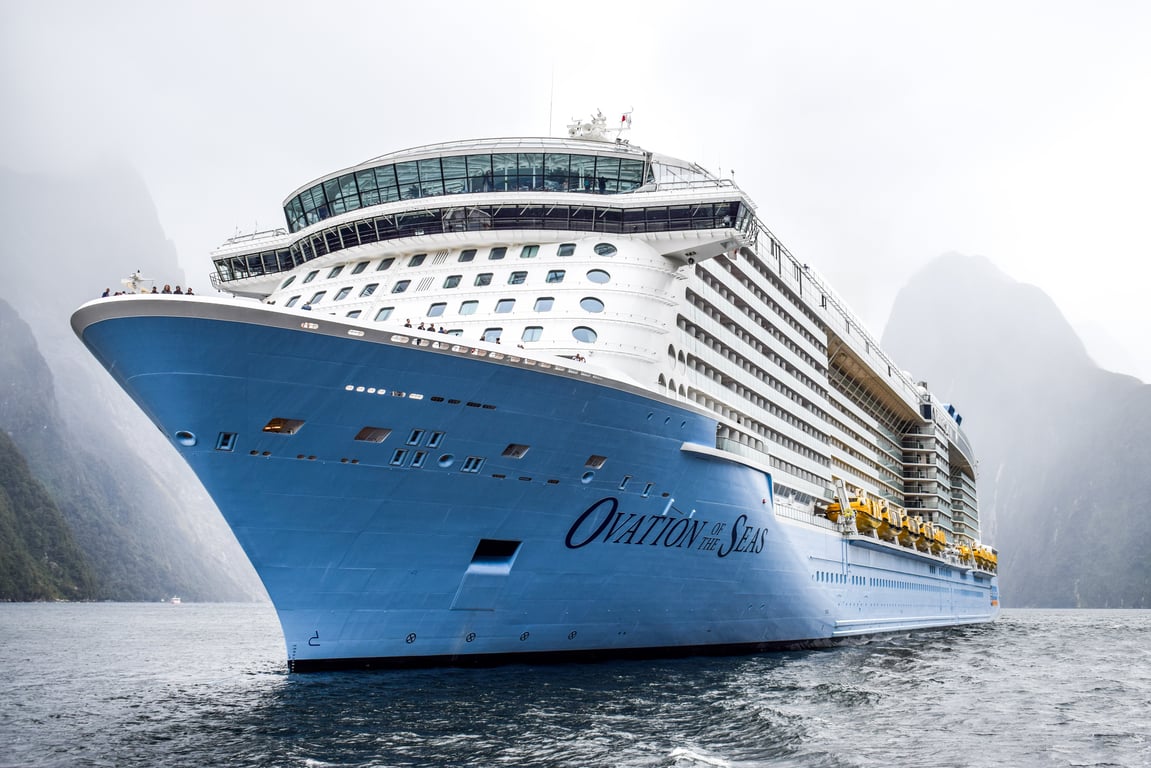
Choose the Ship for the Voyage You Want
New Zealand cruise deals often suggest the destination should take precedence over ship selection.
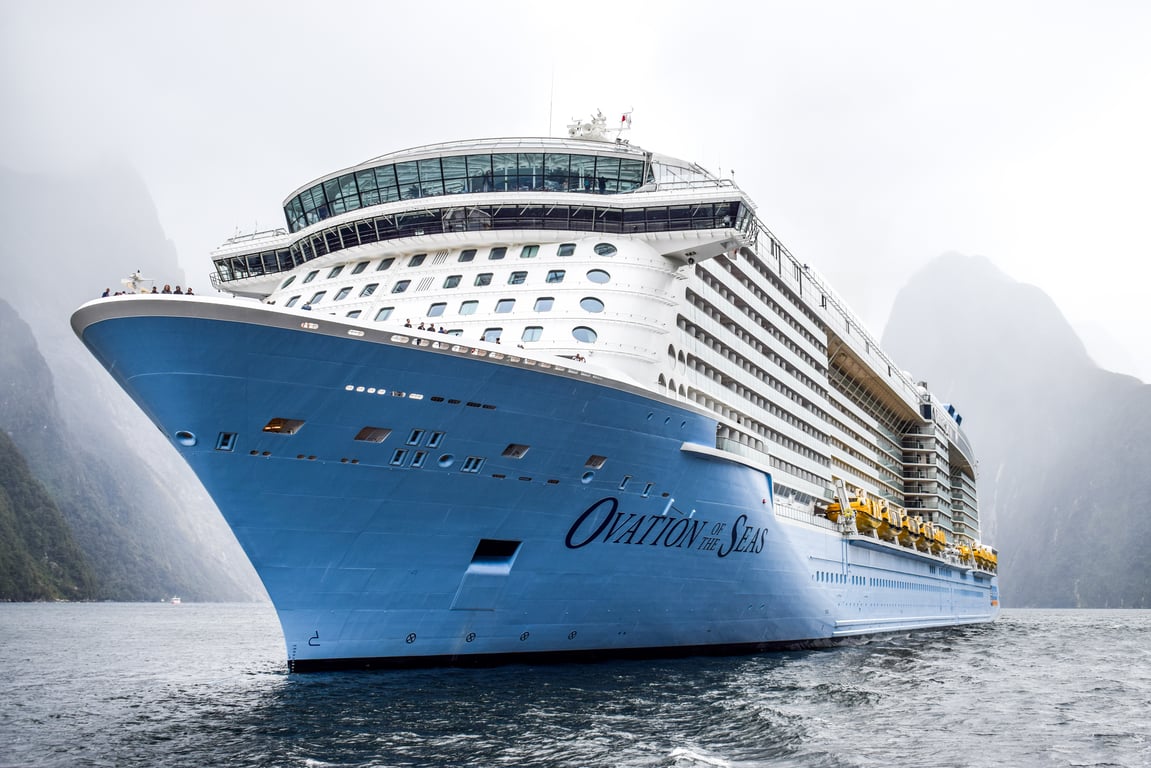
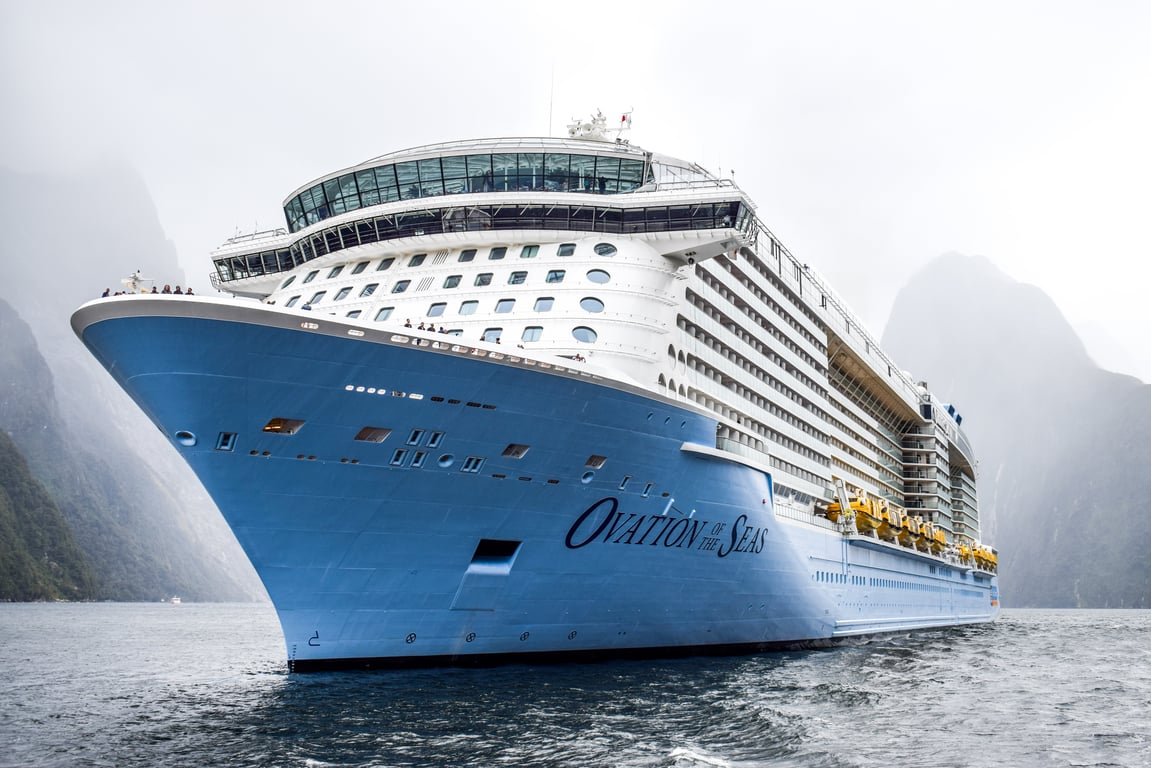
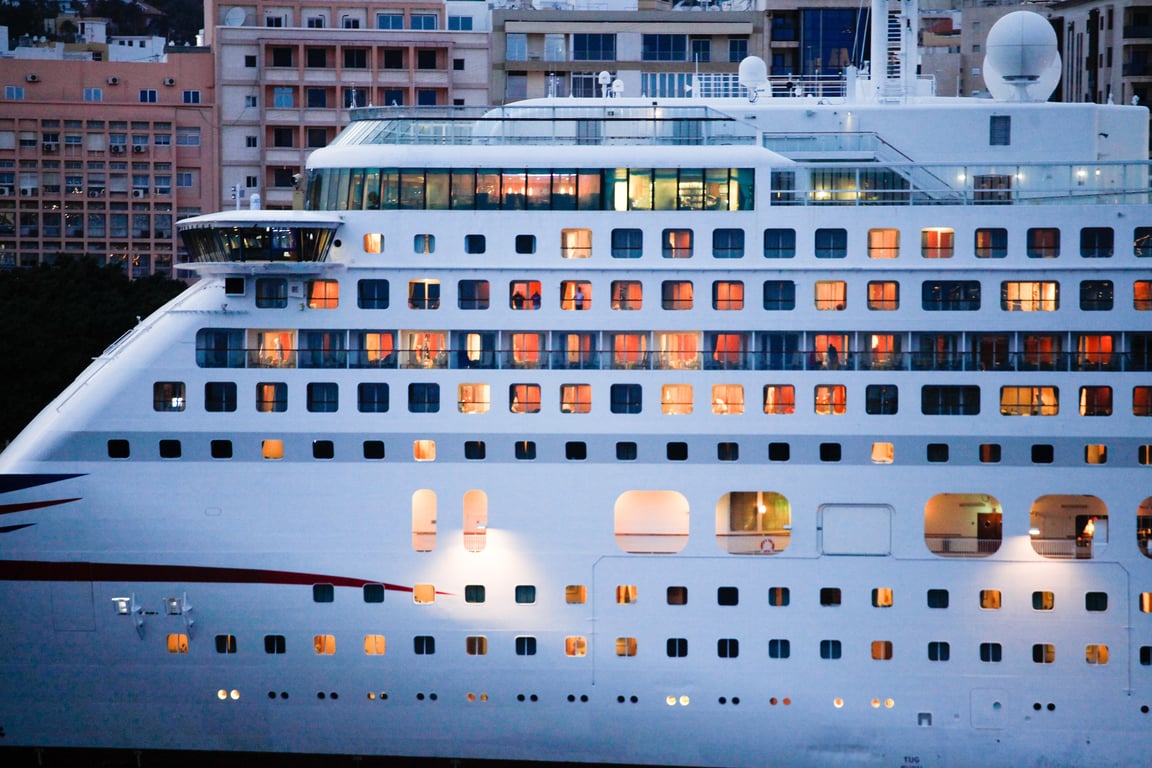
The ship matters because you’re going to spend the entire sea day on it. You’re also going to spend all your evenings, mealtimes, and quiet hours on the ship between ports. Some people like going on a cruise that is resort-like and has lots of dining and entertainment options. Others prefer cruises that have a smaller capacity and have a focused destination program.
The best deal is getting the right type of ship experience combined with the right itinerary. Don’t pay for amenities that you’ll end up not using. However, don't think of the quality of the ship as something you can afford to skip. If your itinerary has multiple days that are entirely at sea, then the ship will affect your vacation. Look past the pictures that the cruise liner posts of the ship. Look at the deck plans, cabin locations, dining spots, cabin accessibility, and the available activities.
A Practical Method for Comparing Cruise Deals
Make a short list of your priorities before you start your cruise comparison searches. Figure out the total amount you’re willing to spend, your travel date flexibility, the minimum number of NZ port days that have to be meaningful, your cabin needs, and the shore activities you really want to do. Limit your searches to options that meet all of your needs. This keeps a possibly good cruise deal from becoming the minimum standard for every cruise.
Once you have your list of cruises, write down the estimated cost of the cruise minus the value of the amenities that you’re going to use, the estimated costs of flights and accommodation, the value of what the cruise is offering you, how much you’re going to spend on average during the cruise, the likely costs of excursions, the quality of the itinerary, and how flexible you can be with booking the cruise. Pay the most attention to the quality of the itinerary.
Go for deals that give you more time to visit more of your preferred places. Packages with better sailing dates and inclusions you can use should give you a better deal. Also, always be prepared to walk away from the deal. Travellers get too anxious and concerned with the pressure to “lock in” the best deal. There will always be reasonable offers. What will be harder to find is a cruise that fits your calendar and interests as well as your budget. That will be a deal worth pursuing.
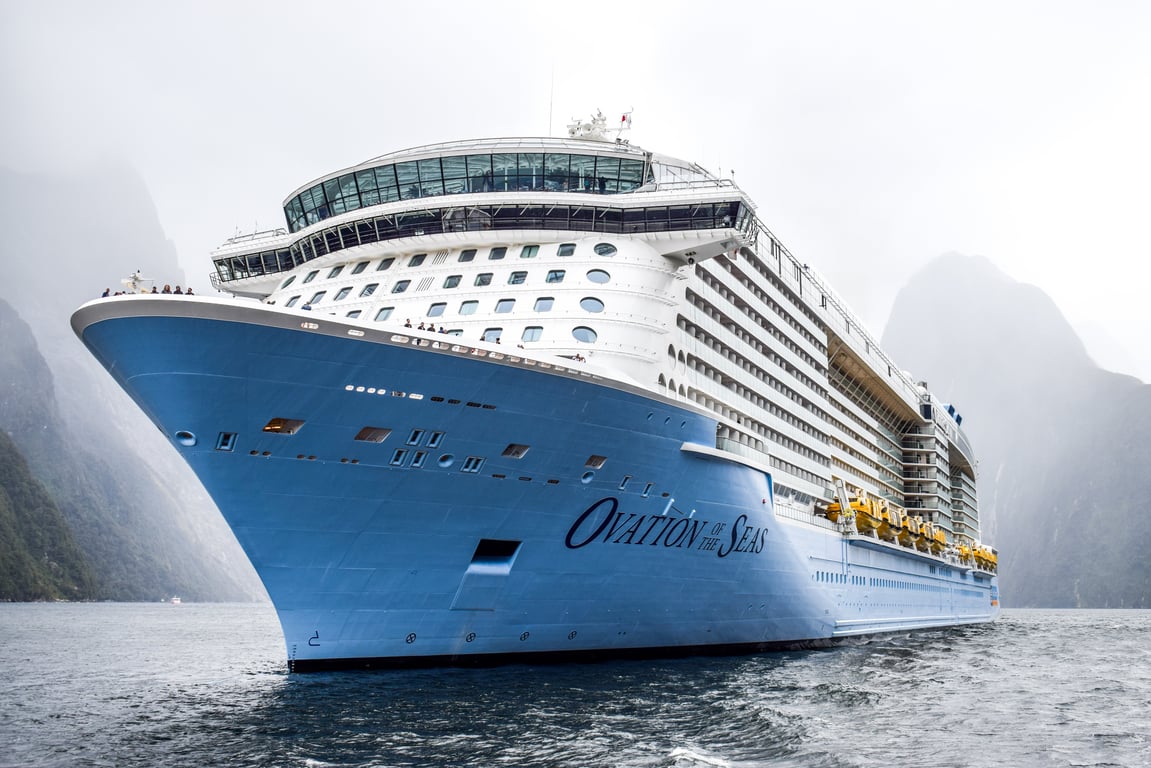
The best deals on New Zealand are not the lowest fares, the biggest onboard credits, or the best advertised promotions. A cruise deal is most useful and flexible when it protects your travel budget and meets your travel priorities. Inclusions, terms and conditions, and booking dates are more valuable than the lowest lead-in price. New Zealand cruise deals should ideally be practical routes to a richer New Zealand adventure and not cruel distractions.
Most travellers have an instinct to save money, but getting a good deal on a bad cruise is not a wise choice. Have a look at the overall itinerary and place the New Zealand cruise at the heart of the choice.