Many travelers misunderstand cheap hotels in New Zealand. Too many people think that by spending less, they must sacrifice an ideal location, pleasant accommodations, and an enjoyable stay. All of this is incorrect. Budget hotels do not need to have a large price tag, but they should be easy to use. This includes having a good location, safety, and be sufficiently equipped to handle the trip without losing small amounts of money every time an expense is incurred.
Looking for the lowest price is not the best approach. The best approach to finding a cheap hotel is looking for the hotel that best serves the trip desired for New Zealand. A hotel room at the edge of a city may seem cheap, but may not be when you add transport costs, parking, and lost time walk looking for places to eat. A hotel room at central location may be a more valuable room if it gives you the ability to walk to the transport and places to eat.
New Zealand is a country that appreciates the deliberate traveler. It is a country that has coastlines, amazing scenery, and energetic cities. It is not a country that appreciates someone who stays lodged behind a hotel door. Cheap hotel accommodations protect your travel budget for more enjoyable experiences in New Zealand.
The Best Approach Is Not The Lowest Price
Cheap hotels in New Zealand is all about finding the right value. The best advice for finding cheap hotels in New Zealand includes not looking for the lowest price.
Considering the complete cost of the trip would yield a different answer to what is truly the most affordable option. Where you stay influences everything during your trip. When travelling to Auckland, Wellington, Christchurch, Queenstown, Rotorua, Dunedin, Nelson and the other gateways, sometimes it's better to focus on what's nearby during the booking process than available amenities. A simple hotel that is strategically located near a bus stop, ferry terminal, airport connection, the central shopping area, or dining can help you save money and time on transportation decisions. That's value.
It's important to consider what comes with the cost of accommodation. For a self-driving holiday, the availability of parking can be a huge cost saver. A kitchen, kitchenette, fridge, or even a prep space can help you save money on dining. For longer trips and road trips, laundry amenities can especially be helpful to curb unplanned purchases of clothing, and help you pack light. Good internet is important to help you plan your route, book activities, and stay in contact during your travels.
None of the accommodations is fancy, but they are much more important than an eye-catching lobby or room photography. Cheap hotels should be evaluated as a practical travel tool and not a small luxury resort.

Book Your Location According to Your Planned Activities
Just because a location is "central" or "nearby," doesn't mean it's the best location for your needs or the most convenient. The best location is dependent upon the means you are travelling.
If you are going on a short trip, then you should definitely prioritise either a central hotel or one that is well connected.

Visitors without cars get the benefit of being able to walk to the most important places and/or catch public transport. For example, in Wellington, having a good location near the central but compact part of the city allows easy waterfront access, dining, culture, and public transport. In Auckland, the best budget option may be the one that best works for the neighborhoods and transport connections that fit your plan, versus the one that simply claims central.
For a trip that involves driving, this logic flips. Parking, accessibility, and the driving route for the next leg of the trip can mean a better option than a hotel that is conveniently located in a busy part of town. A hotel located just beyond a busy central area may be a good option to avoid expensive parking and an early morning departure, while still being conveniently located. Travelers should not assume this. “Short drive” can mean an inconvenient location after a long drive.
This logic remains the same regardless of scenic locations. An inexpensive hotel that is located conveniently close to the activities, trailheads, transportation, and services related to your plan is the best option, even if it means sacrificing a good rate. New Zealand has fantastic scenery, but if you choose a hotel far away, it means this trip will be more about planning than enjoying the beautiful sights.
Budget travelers should be flexible about size and decor.
They should care about hygiene, the sleep experience, safety, and lack of deceit in their listings. There is a significant distinction between a simple hotel and a bad hotel.
A simple hotel may have smaller, simpler rooms, older furniture, fewer hours for the front desk, or no restaurant. These can be reasonable sacrifices if the room and common areas are tidy, the bed is in good working condition, the entire property is well-kept, and the details given are truthful. These don’t apply to a bad hotel though. These would include frequent, recurring issues of no control over guests and issues with upkeep, unpredictability of check-in, false advertisement of room features, and various unpleasant conditions in the room. None of these become justified with a low price.
Reviews can be helpful, but they have to be read with a critical eye. Do not rely on one overall score or one very positive review. Look for multiple, recent reviews. If multiple guests complain about thin walls, difficult parking, road noise, unclean rooms, and unexpected surcharges, then consider that a good reason to book elsewhere. One negative review may reflect a one-off, unique experience. A runway is more difficult to dismiss.
Also, don’t avoid all lower-priced hotels because someone expected something from a luxury hotel. Reviews that complain of no concierge service, small rooms, and basic furnishings can be ignored if the hotel didn’t promise them. The important thing to consider is if the hotel delivers the necessary amenities to a budget traveler, not if they deliver on the promise of a luxury experience.
Cheap Hotels Work Best When You Use Their Practical Advantages
The best budget hotels in New Zealand tend to facilitate self-directed travel. They offer a variety of amenities/capacities for self catering (kitchen / kitchenettes / dining space / laundry) and room configurations.
These features can really impact pricing and scheduling of your trip, as they are more than just small conveniences.
Having a kitchenette allows you to easily make breakfast each day and helps you avoid more costly meals later when you have to make the drive or when you just don’t want to eat out again. Having laundry facilities can help you avoid having to pack so much and save you time from having to find a laundromat. The price of the room with a rental car can help avoid a much greater cost.
Different groups of travelers should evaluate features differently. A family with young kids might value the ability to book a room with multiple rooms more than other groups. A single traveler might choose a smaller room in a hotel over a room that is more spacious but further away and in a less safe area. A driving couple might choose a motel with a kitchenette and parking over other hotels. A group of friends traveling together might find that a hotel with shared amenities and apartment style rooms is a better value in comparison to multiple standard rooms.
The goal is that not every traveler with amenities can satisfy every traveler and amenity. The goal is to satisfy the traveler who can most avoid the expense.
Flexibility is a valuable asset when timing is aligned, however, it is not a complete strategy.
It is conventional to travel during off peak times. It is true that ticket prices will drop, however, it is an incomplete statement.
There are several factors that can affect a trip including the weather, the time of day, the hours certain events and activities are available, school holidays, and how busy a certain area is. However, popular tourist spots often maintain a high price even when demand is low. Travelers still need to consider all of this when planning their trips.
Flexibility is most useful when specific changes are made. More options can be found with changes such as shifting a stay by a day, option changes, remaining in one location for several nights instead of constantly changing locations, or even relocating to a neighboring town. Saying generally to “travel off-peak” is much less helpful compared to being more specific with date changes, and what exactly the hotel rate covers.
Booking early does not always mean more options. Planning early does increase flexibility, especially with limited room types, however, this is not a reason to book without taking the time to read the terms of the agreement to ensure flexibility. Avoid non-refundable bookings with high potential flexibility costs due to forced cancellations from outside changes.
To save more without taking flexibility risk, important bookings should be secured while having the option to cancel. This is particularly useful before firming up a more flexible booking for a central itinerary stop that is likely to offer limited options. It protects a traveler from being forced to take a less helpful booking even if it does not ensure the lowest rate.
There are several ways to save when booking hotels. Of course, the main goal is always to save as much money as possible when booking. However, if booking a cheap hotel means a traveler has to pay a high price in flexibility, that hotel should not be considered a good booking.
Make sure you check how much you will pay for your desired room configuration, the number of guests, parking, and any other services you expect to use on the exact dates for your stay prior to booking.

Take note of the total price and whether it includes mandatory fees and parking, and whether the selected rate has conditions that restrict your stay. If the hotel is not close to the city center, or to a major point of interest, be sure to budget for the likely costs of getting to and from these places. If the hotel does not have a kitchen be sure to factor this in when budgeting how much you will spend on meals. If you expect to arrive at the hotel after a long drive or flight be sure to check what the hotel’s late check-in policy is to avoid any problems.
Don’t automatically accept upgrades. A room on a higher floor, a room that is larger, or a room with a view can often be a waste of money for a traveler focused on exploring.
Only spend the money if you really need to solve an issue related to a family member's mobility or a family member’s desire to have a kitchen, or need to accommodate a light sleeper in a sleeping room.
Travelers in search of affordable lodging need to consider all of their options. This includes motels and serviced apartments and lodges in addition to hotels. Depending on your itinerary and your destination, the type of lodging can be far less important than location and cost.
Motels may be especially useful for those whose travel plans include driving, because they usually accommodate all the cargo a traveler would need for an outdoors trip.
Consider staying in a hotel if you want to be in the center of a city. Hotels usually place you closer to restaurants and places to enjoy the nightlife. If you plan to stay for a longer period of time, serviced apartments may be a better option for you because of the laundry and cooking amenities. 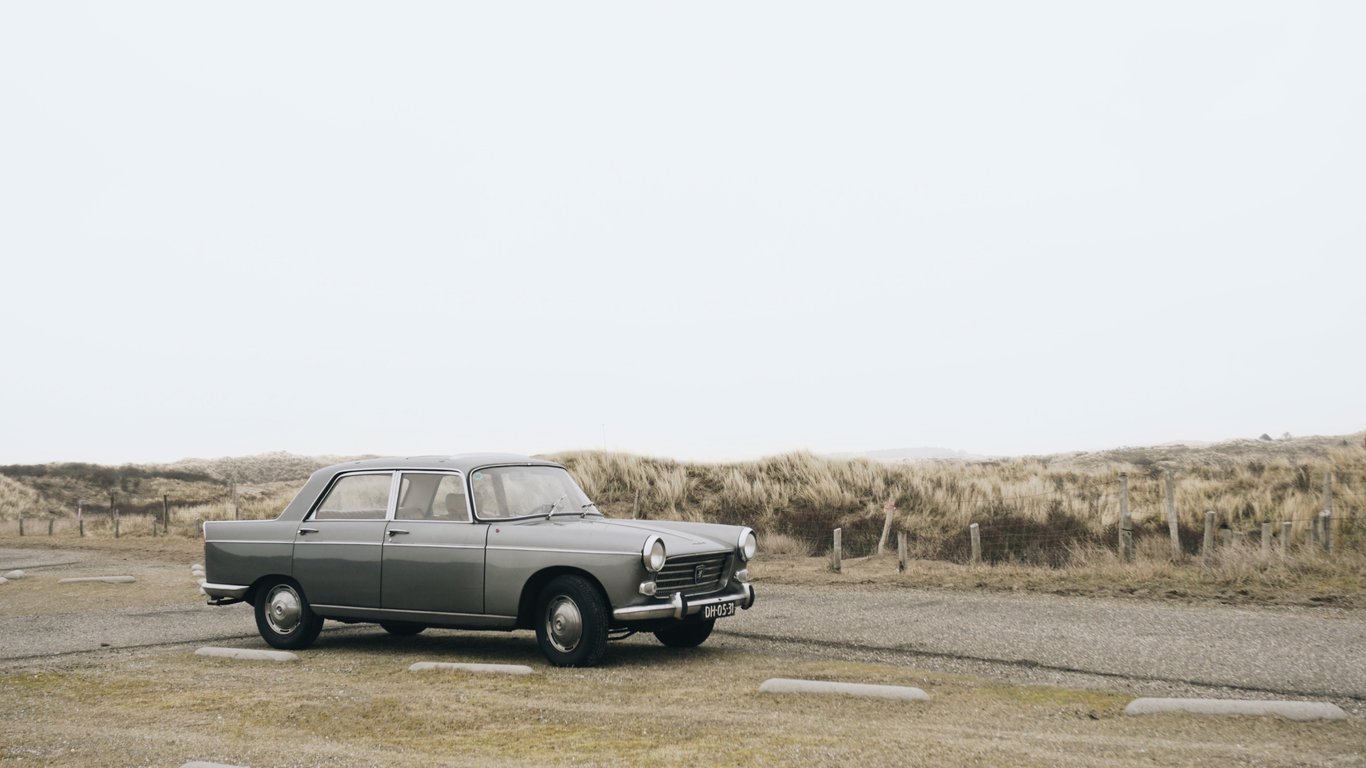
While cheaper lodging may be a goal of your planning, a hostel may not always be the best choice. Consider the price of a private room in a hostel. You may find that it is the same price and provides less privacy than a hotel. If you are a social person and really want to make friends during your travels, then maybe a hostel provides the experience you want. However, for less expensive lodging that provides a private room, a cheap hotel is the best choice over a hostel.
Secure the Best Prices on a Cheap Hotel in New Zealand
To book a cheap hotel, the best method is to conduct a search with some discipline. Assess what a room means for you. Will it be a quick overnight stay near an airport? Will you be staying in the city for several days? Will it be a stop during a road trip? Will you require laundry services? Consider these questions when you book.
- When searching, set a realistic budget for what you are willing to pay to stay the night instead of searching for the best rate.
- Pick the hotel based on what you need for the next days activities.
- When searching, be sure to include only the listings that fit your criteria, whether that be a private bathroom, parking, a kitchenette, laundry, etc.
- Read all the latest reviews and look for reoccurring issues, especially with check-in, and complaints with the products and services the hotel provides such as housekeeping, noise, heating, etc.
- Look at the final total and booking conditions for a small itinerary.
- Read through the property information especially arrival and room details.
- Choose the option that minimizes the most obstacles to travel.The chase for the best travel deal is thrilling but the approach detailed here will result in an overall better travel experience. Savings on travel are not achieved through a single great travel deal. Travel savings are achieved through avoiding a series of bad travel decisions that lead to pricey and inefficient travel, unsatisfactory rooms, and unnecessary travel stress.
The Practical Standard to Hold
Budget accommodations in New Zealand should offer travelers an affordable option that supports travel through New Zealand beyond the accommodation. The best budget accommodations are not the most inexpensive or the largest or the latest or the most aesthetic. The best budget accommodations support a travel plan and self-directed travel and help avoid the cost of meeting travel compromises.
Budget travel means accommodating trade-offs, but not location and travel trade-offs. Budget travel also means accommodation deals that are every bit a budget deal, but a budget deal that is also supportive of a traveler. Budget travel means accommodating a low travel cost, but only after consideration of parking, food, transport, and overall travel cost and accommodation flexibility. This is the difference between cheap travel and budget travel.

The moments that you will remember in New Zealand travel, will likely be when you are near water, on a walking path, on a scenic drive, in a café, or in a traveling landscape.
The right affordable hotel helps you reach those moments. It needs to do the job. It doesn't have to do anything special.